
Understanding fish disease as a systems problem
From microbial adaptation and environmental pressures to sustainable disease control in aquaculture
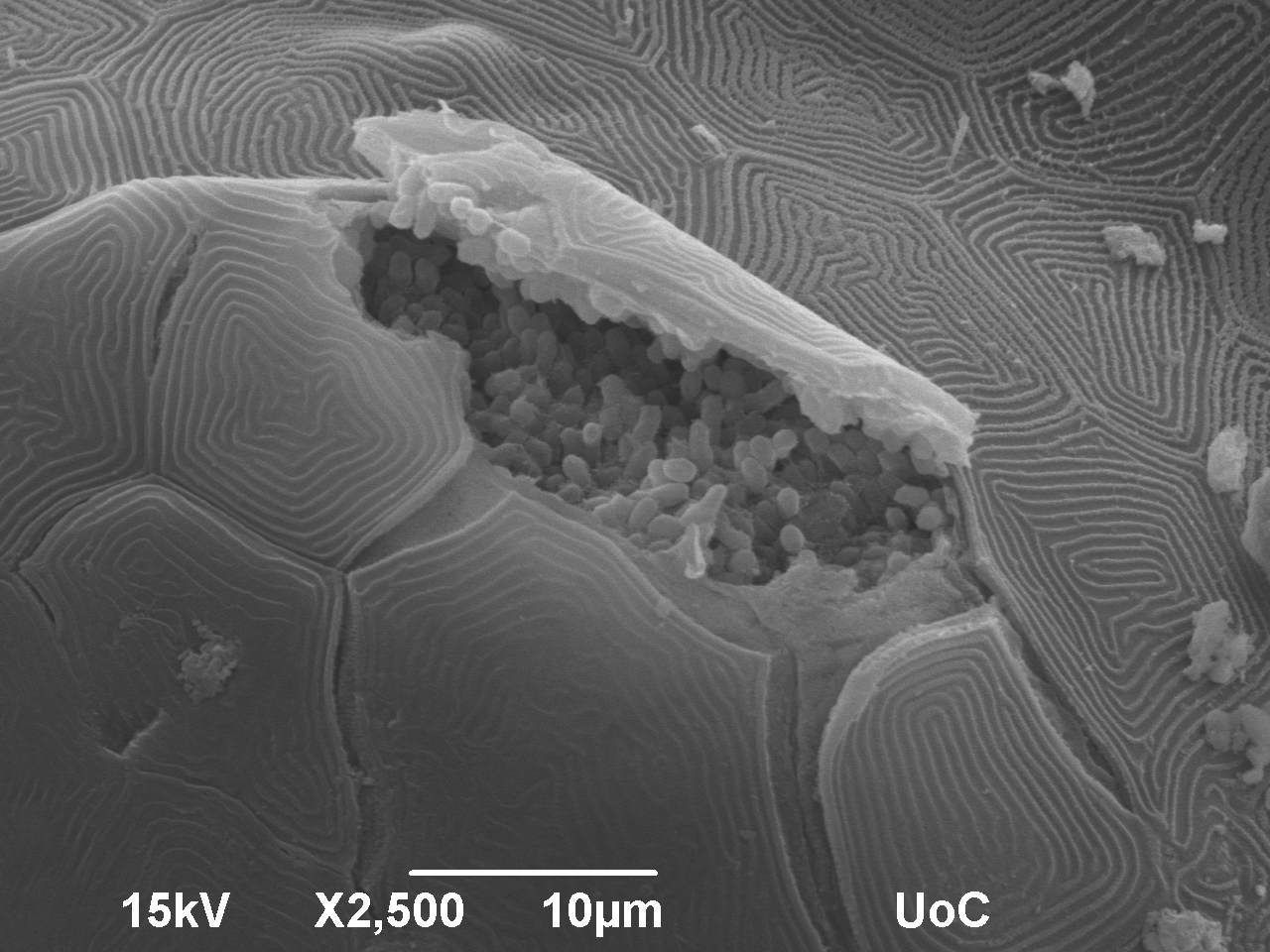
Fish disease cannot be explained by single pathogens or isolated causes. It emerges from dynamic interactions between microbial communities, the host organism, and the surrounding environment.
How we approach aquatic pathology
Our research focuses on how bacteria and other pathogens adapt to strong external pressures, including biological interactions such as phage predation, chemical stressors such as antibiotics, host-associated environments, and physical constraints like temperature extremes.
By studying the physiological and fitness costs associated with adaptation and resistance, we aim to understand how trade-offs shape pathogen behavior, virulence, and disease outcome.
Microbial adaptation
Pathogen adaptation to phage predation, antibiotics, and environmental stress, and the fitness costs associated with resistance.
Host–pathogen interactions
How pathogen traits interact with host biology to shape infection dynamics, virulence expression, and disease outcome.
Sustainable disease control
Prevention-oriented disease control strategies based on phage therapy and the development of autogenous vaccines, aiming to reduce reliance on antibiotics while maintaining animal health and production stability in aquaculture systems.